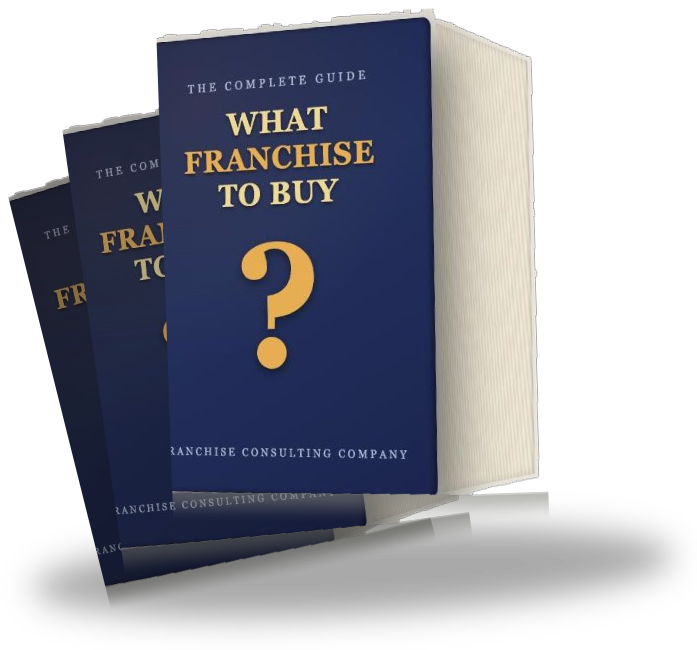
Franchise ownership can be a powerful path to financial independence, but it’s a decision that deserves the same rigor you’d apply to any major investment. Before signing a franchise agreement, it helps to slow down and evaluate the opportunity from every angle: the business model, the financial commitment, and whether it truly fits your goals and lifestyle.
Understand the Different Ownership Models
Not all franchises require the same level of day-to-day involvement. Some common structures include owner-operator, where you run daily operations yourself; executive owner, where you manage the business and a team but aren’t performing the hands-on work; semi-absentee, where a hired manager runs daily operations while you focus on oversight and strategy; and service-based or brick-and-mortar formats, which differ in overhead, territory structure, and customer interaction. Knowing which model fits your goals is one of the first filters in narrowing down the right opportunity.
Decide if Business Ownership Fits Your Life
Franchise ownership isn’t just a financial decision, it’s a lifestyle one. It’s worth asking yourself honestly whether you’re energized by solving problems and making decisions under pressure, whether you’re ready to commit to a multi-year effort rather than expecting overnight results, and whether the business genuinely supports the life you want, whether that’s more freedom, more income, or more purpose.
Do a Full Evaluation Before You Commit
A franchise decision should never be based on a single meeting or brochure. It’s worth exploring more than one opportunity, understanding the training and ongoing support the franchisor provides, getting clear on what day-to-day operations actually look like, and speaking directly with current franchise owners about their real experience.
Take the Financial Review Seriously
Every franchise opportunity comes with a Franchise Disclosure Document (FDD), a legally required document that outlines fees, obligations, and financial expectations. It’s worth reviewing this closely (ideally with a franchise attorney or financial advisor), talking to current owners about real-world costs and earnings, and being honest with yourself about how you’ll fund the investment without overextending your finances.
Watch for Warning Signs
A few signs are worth paying close attention to during your research: high turnover among franchise owners, a lack of transparency around financial performance, limited training or ongoing support, and consistently negative feedback from people already in the system.
Make Sure It’s a Mutual Fit
A franchise relationship works both ways. Just as you’re evaluating whether the opportunity fits you, the franchisor is evaluating whether you’re the right fit for their brand. The strongest partnerships happen when your goals, values, and working style genuinely align with theirs.
You Don’t Have to Navigate This Alone
Evaluating a franchise opportunity involves a lot of moving pieces, and it’s easy to feel overwhelmed trying to compare options on your own. That’s exactly where working with a franchise consultant can help: someone who can help you narrow down the right fit, walk you through the numbers, and guide you through the process step by step.
Ready to Find the Right Fit?
Take the first step toward franchise ownership today.
Frequently Asked Questions
What should I look at first when evaluating a franchise?
A good starting point is the Franchise Disclosure Document (FDD), which outlines fees, obligations, litigation history, and other key details. Beyond the FDD, it helps to review the total investment, the level of training and support, the health of existing franchisees, and whether the territory has room to grow.
How do I know if a franchise is financially healthy?
There’s no single number, but several signals help: how existing franchisees describe their experience, whether units are opening or closing over time, and how transparent the franchisor is about costs and expectations. Validation calls with current owners are one of the most useful ways to gauge financial health, since disclosure rules limit what earnings information a franchisor can share directly.
What questions should I ask current franchisees?
Owners often learn the most by asking about ramp-up time, ongoing support, their relationship with the franchisor, unexpected costs, and whether they’d make the same decision again. Speaking with a mix of newer and established franchisees, and ones in similar markets, tends to give the most balanced picture.
How long does it take to evaluate a franchise properly?
It varies, but rushing is rarely wise. A thorough evaluation usually includes reviewing the FDD, making validation calls, confirming financing, and often consulting an attorney or accountant, which can take several weeks. Treating it like any major investment decision, rather than a quick purchase, tends to serve buyers well.
Should I hire an attorney or accountant before investing?
Many buyers find it worthwhile. A franchise attorney can help you understand the agreement’s terms and obligations, while an accountant can help you stress-test the numbers and financing. Because these agreements are long-term and legally binding, professional review is a common and reasonable step.
Next steps
- the complete guide to buying a franchise. The whole process in one place: funding, the FDD, validation calls, and the mistakes that cost most.
- franchise funding options, See current SBA rates, what ROBS really costs, and a calculator that shows what you could fund.
- how the process works, From first call to open doors, step by step.
Questions? Call or text 925-705-0193 for a free 15-minute call. English or Español. There is no cost to you.