Finding the Right Franchise Starts Here
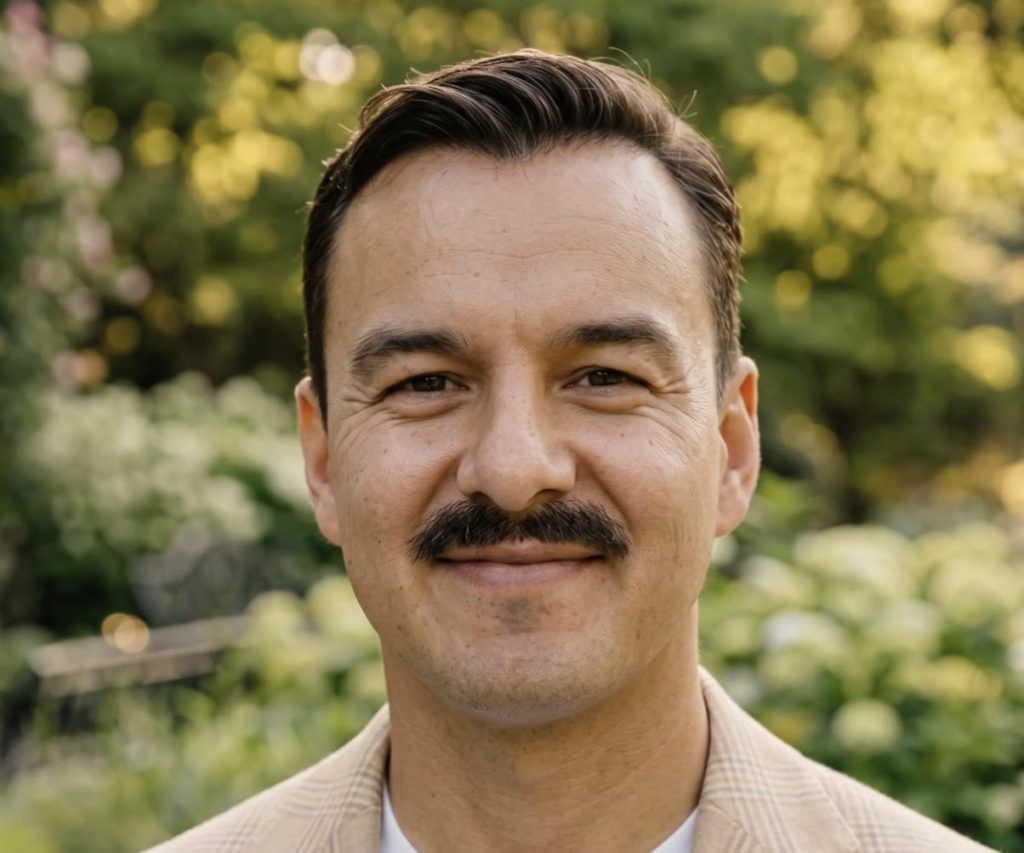
Gabriel Arechiga
Franchise Consultant & Founder of What Franchise To Buy
The Franchise Consulting Company/Partner, San Francisco Bay Area
Turn your experience into a business you own with a proven process guiding you every step of the way.
With a background in business brokerage and mergers and acquisitions, Gabriel brings deal-structuring insight to franchise ownership conversations that goes beyond a typical consultant’s perspective. He is also a member of the Latino Franchise Council, offering bilingual (English/Spanish) support to clients who prefer to work in Spanish.
Why
I believe entrepreneurs are extraordinary. They’re willing to disrupt the status quo in pursuit of a better life: more income, more control over their time, something that belongs to them and their family. Some of the people I work with are buying their first business. Others already own companies and are adding to what they hold. The moment before signing is the same either way. A large check, a long agreement, and nobody in the room whose only job is to tell you whether the deal is actually good. That’s my job. Seeing a client succeed after it is the most rewarding part of this work.
How
Before franchising, I worked in business brokerage and mergers and acquisitions, a field where the entire job is finding what’s wrong with a deal before a client’s money is in it. That’s an unusual background in this industry, and it changes what gets examined, as the sections below lay out. Your own numbers come first: liquid capital, rollable retirement funds, home equity, credit, and the hours you’re honestly willing to work. Knowing your ceiling before you look at brands is what keeps you out of deals you can’t fund. Every conversation is available in English or Spanish, including the hard part, which is going through the Franchise Disclosure Document together before you sign it.
What
Everything I do is aimed at your goals rather than a catalog. Whether you’re leaving a corporate career to own something for the first time, adding a franchise to holdings you already operate, or building toward multi-unit or semi-absentee income, I help you find, evaluate and pressure-test the opportunities that fit your capital, your lifestyle and your tolerance for risk. My tools are education, coaching, and direct knowledge of franchise systems across the country, including the ones you’ve never heard of, which is most of the thousands that exist. There’s no cost to you. Franchisors pay me a placement fee, the same way a seller pays a listing agent at closing, and because that fee is effectively the same no matter which brand you choose, I have no financial reason to steer you toward one over another. If franchise ownership isn’t right for you, I’ll tell you that too.
A lawyer tells you the contract is enforceable. Nobody tells you it’s a bad deal.
Before franchising, Gabriel worked in business brokerage and mergers and acquisitions. A field where the entire job is finding what’s wrong with a deal before a client’s money is in it.
That’s an unusual background in this industry. Most franchise consultants come from franchise ownership or from sales. Both are useful. Neither trains you to read a transaction the way a buyer’s advisor does.
It changes what gets examined:
The fee stack. Royalty is the number everyone quotes. Technology fees, marketing fund contributions, mandatory remodel cycles and required purchases from approved suppliers are the ones that quietly determine whether you built a business or bought a job.
The territory. Whether it’s protected, how it’s measured, and what happens when the franchisor begins selling online into it.
Item 19. The earnings claim is optional. A franchisor doesn’t have to make one. Where it exists, the question is never the average. It’s which units are in the sample, which were excluded, whether the figures are revenue or profit, and whether those locations resemble the one you’d open.
The exit. What you actually own in year seven, what it can be sold for, and who has to approve the buyer.
A franchise attorney determines whether an agreement is enforceable. Reading whether the economics work for you is separate work. And it’s the part most buyers never get.
Why bilingual matters more than it sounds
A large share of first-time business ownership in California is first-generation, people whose parents worked hard without ever owning the business they worked in. When you’re the first, there’s no relative to call who has already read a franchise agreement and can tell you what to look for.
Every conversation here is available in Spanish, start to finish, including the difficult part: going through the Franchise Disclosure Document together and understanding what you’re signing before you sign it.
It also surfaces a question almost nobody thinks to ask. If you plan to operate partly in Spanish, with staff, with customers, or both, ask the franchisor directly what Spanish-language support exists after you open. Plenty of brands sell in Spanish and then deliver operations manuals, training and technical support in English only. It’s rarely bad faith; they simply never built it. But it’s worth knowing before you sign rather than six months later.
Gabriel is a member of the Latino Franchise Council, the International Franchise Association, and a partner with The Franchise Consulting Company.
How the work actually runs
Your numbers first. Liquid capital, retirement funds you could roll, home equity, credit, and the hours you’re genuinely willing to work. That produces a ceiling. And knowing it before you look at brands keeps you out of deals you can’t fund and deals that only work if nothing goes wrong. There’s a calculator for this →
Then a short list, matched to your situation rather than a catalog. There are thousands of franchise systems in the U.S. and most people have heard of forty.
Then the disclosure document, read properly, plus California’s registration rules, which are stricter than most states and widely misunderstood.
Then validation calls with current and former franchisees. The highest-leverage hour in the entire process, and the one most buyers waste by calling only the three people the franchisor suggested.
Where Gabriel works
Based in the San Francisco Bay Area and working with buyers nationwide, including the Bay Area, San Jose and the South Bay, the Central Valley, and California statewide. English or Español.
Experience and credentials
Most of what a franchise consultant is worth comes from what they have seen go wrong. Here is the background behind the advice.
- Partner, The Franchise Consulting Company (since 2023). Franchise consulting for buyers across categories and investment levels.
- Founder, What Franchise To Buy (since 2023). The free second-opinion service behind this site.
- Business broker, Liberty Business Advisors (2009 to 2017). Eight years valuing and selling operating businesses, which is where reading financials, working out what a business is actually worth, and structuring a deal became second nature.
- Owner, The Smog Station (2015 to 2023). Nine years running a Star Certified test-only smog check station in California: licensing, inspections, staffing and the slow grind of a regulated single-unit business.
- Member, International Franchise Association.
- Advisor, Latino Franchise Council.
- Consultations in English and Spanish, including discovery calls, FDD walkthroughs and validation calls.
Owning a small regulated business is the part that changes how these conversations go. It is easy to talk about a ramp-up period in the abstract. It is different when you have made payroll in a slow month yourself.
Who This Is For
You’re a driven professional. An executive, manager, veteran, or first responder, who knows there’s more out there. You’re tired of trading time for a paycheck and ready for more control over your income, your time, and your family’s long-term wealth.
The Problem
You want out, but the path isn’t clear. Too many franchise options, too much uncertainty, and not enough guidance to move forward confidently.
What You Gain
A clear, step-by-step path to ownership. Confidence in your decisions. Access to vetted franchise opportunities. Ongoing guidance throughout the process.
There’s no cost to you, Gabriel is paid a placement fee by the franchisor, the same way a seller pays a listing agent at closing. You never pay him anything. And because that fee is effectively the same no matter which brand you choose, he has no financial reason to steer you toward one over another. If a franchise isn’t right for you, he’ll tell you, that’s the whole job. He’ll also walk you through financing paths that make ownership more accessible than most people expect, including SBA loans, retirement rollovers (ROBS), home equity options, and veteran discounts offered by many franchise brands.
Industries We Help You Explore
Franchise opportunities today go far beyond fast food. Gabriel focuses on sectors built around real human relationships and essential services. The kind less likely to be displaced by automation, including home services, senior care, health & wellness, B2B services, and education & STEM.
Ready to explore your options? Call 925-705-0193 to schedule your free process overview call.
Serving the San Francisco Bay Area
Gabriel works with clients throughout the Bay Area, including Oakland, Walnut Creek, Concord and the Tri-Valley, as well as San Jose and the South Bay, and across California.